Congratulations to all the Sobukan students who have achieved their goals in our inaugural year. I hope everyone feels a little healthier, happier and safer. Thank you all for your amazing support. I am extremely proud of you all as well as the achievements of our humble club. In the space of three months, we have had a full page article in Blitz magazine’s 25th anniversary edition, an article in the Sunday Mail and our students have made amazing progress. One student has lost 10 kg, and another overcame a bullying issue. In 6 weeks we achieved my 12 month goal for membership numbers. I can’t wait to see what we achieve in 2012!!
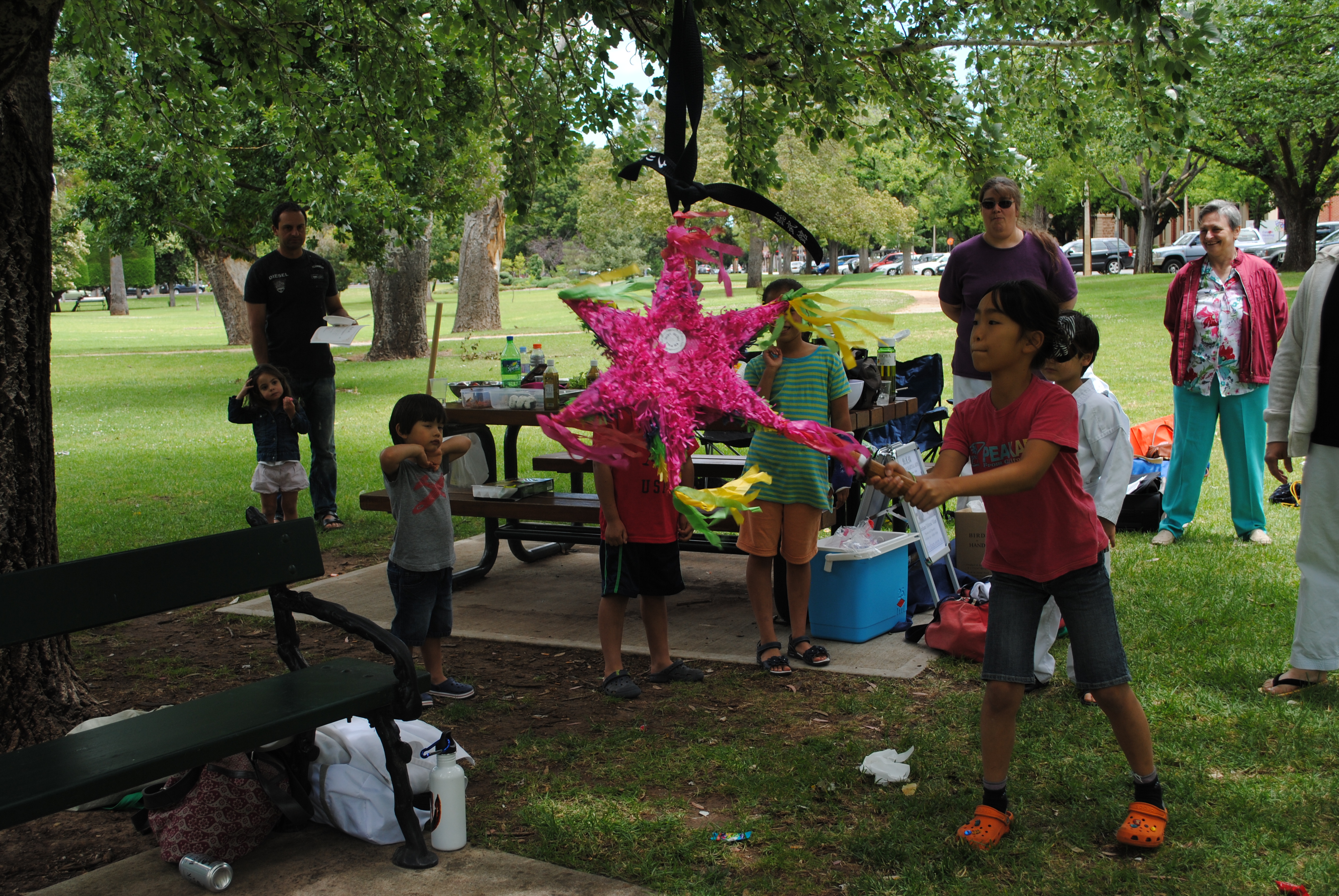
Chihiro hitting the pinata
Bonenkai
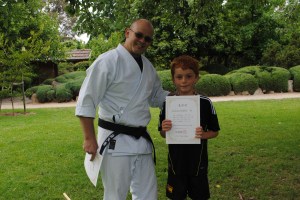
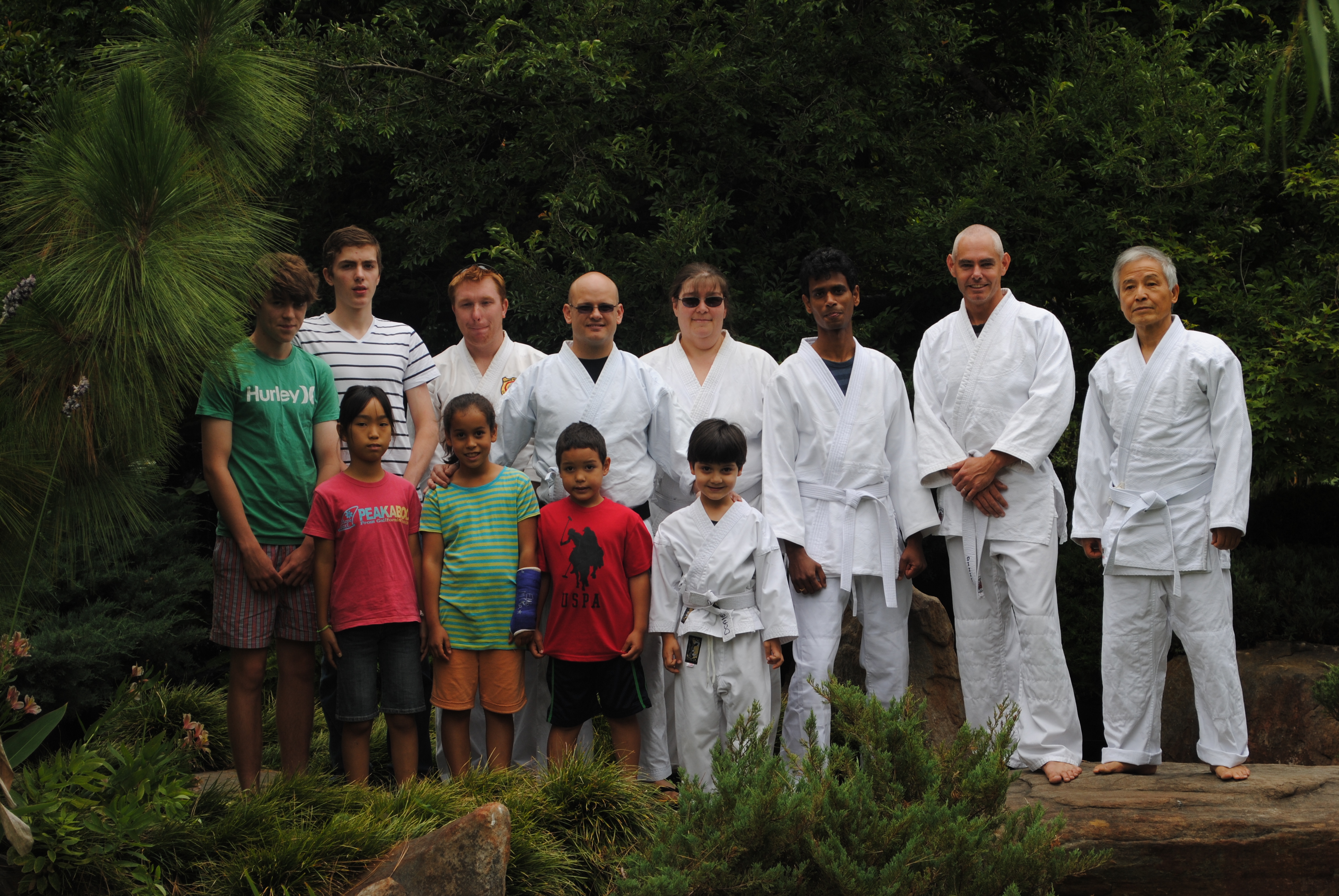
Thank you to all who came to the end of year Bonenkai party at Himeji Garden on South Terrace. Awards were given to a number of junior students, including Connor Seifert, who was awarded Junior Student of the Year 2011, and Mika and Marley Tarver, who drew for most improved students.
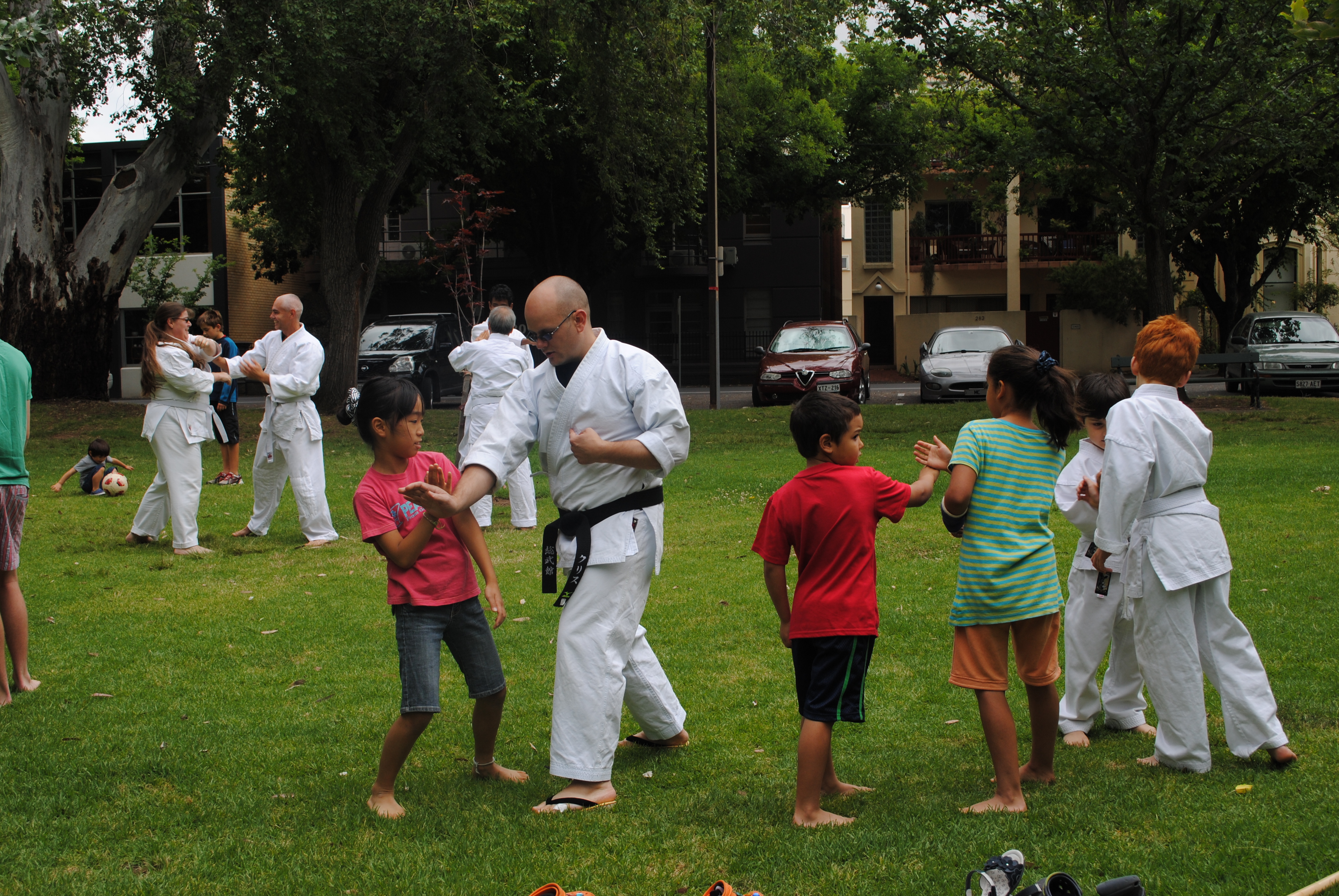
Yagai geiko – training outside
If we had a similar award for adults, it would be difficult to separate, as there are so many enthusiastic students. However Will Cernev and Dan Sinclair would be at the top of the list with a half a dozen students on their tails. It was great to do some outside training with juniors and seniors together, enjoy Japanese snacks and relax and get to know each other a little better.
Connor – junior student of the year 2011
The last day of regular classes this year is:
Thursday 22December
The first day of classes in 2012 is:
Tuesday 10 January
In the new year, there will be new class times on Tuesdays and Thursdays:
Small children (up to about 7, depending on maturity level): 6pm – 6:30pm
Older children (7 and up): 6pm – 6:50pm
Adult technique class: 7pm – 8pm
Adult challenge class: 8pm – 8:30pm
During the break I plan to continue Wednesday lunch-time shooto (MMA) training in the city (Fortus Gym, Kingston St Adelaide) and regular weekend training at the beach or park.
Grading – Saturday 21 January
The first yellow belt grading will be held on Saturday 21 January from 2-4pm.
Grading tests cost $25, including the belt. Senior yellow belts should invest in large (14-16oz) boxing gloves, a mouthguard and groin cup at a minimum. We will start practicing more interactive drills when students grade. Please review and practice your syllabus material – and good luck students!
For safety’s sake…
In addition to the boxing gloves, a mouthguard and groin cup mentioned above, I strongly encourage students to either wear tabi socks, or tape little fingers and toes while practicing randori or grappling. I broke a toe last week, and I want to ensure that no-one else does the same. Injuries are directly contradictory to our club motto.
Badges
We now have Sobukan badges! While not mandatory, these improve the club sense of unity. For $12 you will look the part. Students paying annually will receive one at no cost.
Seasonal Safety
The first stage of self-defence is avoidance of dangers. Please do not drink and drive, and be careful of others under the influence of alcohol – whether on the road or not. Let’s keep this season joyous. Please keep healthy, happy and safe this Christmas and New Year!
I am very pleased to announce that Sobukan is featured in the 25th anniversary edition of Blitz, Australia’s biggest martial arts magazine! www.blitzmag.net
Martial art clubs compete for the chance to participate in the Technique Workshop segment of Blitz. Despite the fact that we are such a young club, Blitz magazine contacted me to offer a three month series in the magazine, including this collector’s item! I was very humbled and honoured.
Those involved might notice that one of the techniques has been cut from the workshop, but I am still extremely happy with the result. I hope that this may help Sobukan continue to grow upwards and outwards.
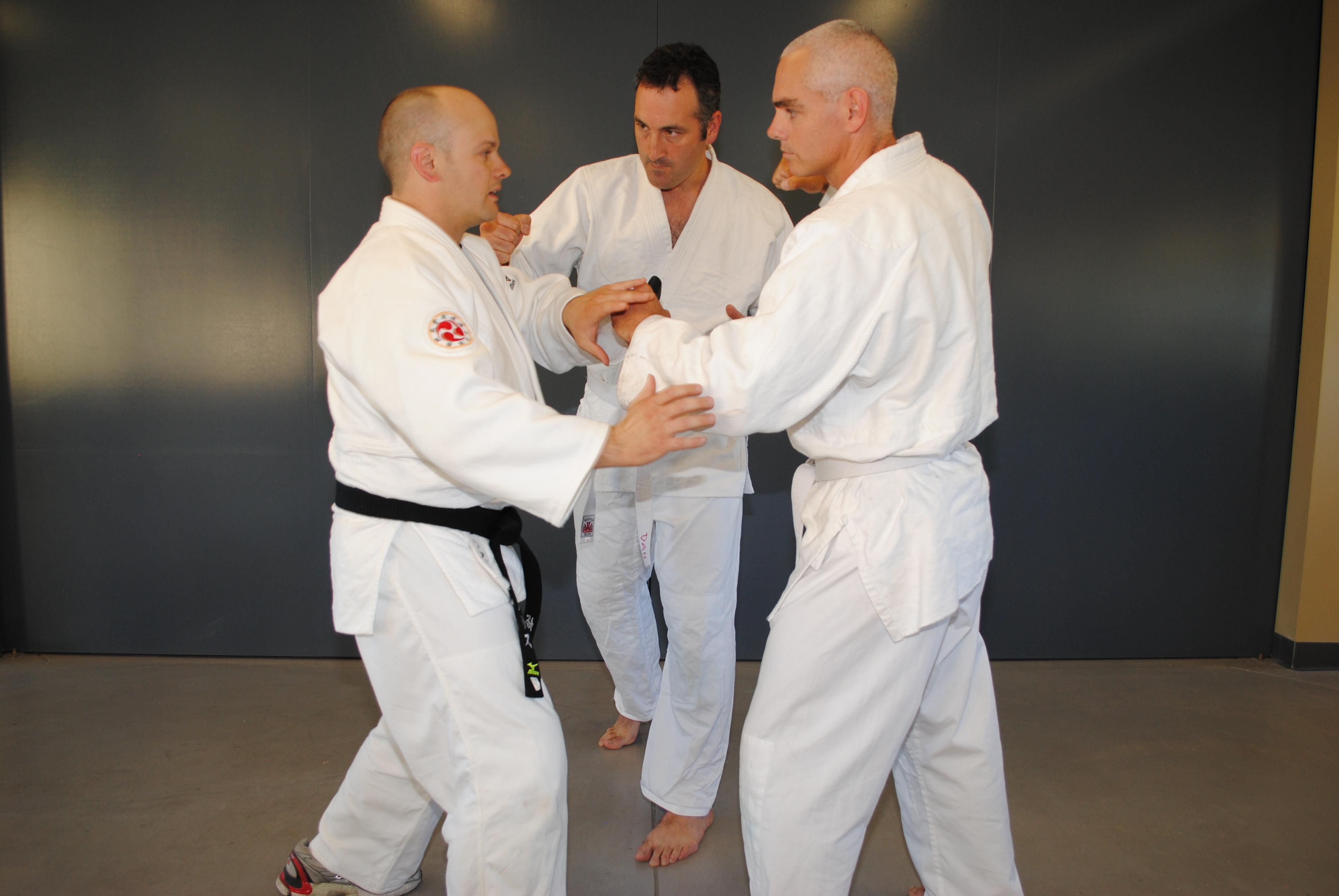
Thank you so much to Ben Stone of Blitz for the opportunity; Dan Sinclair, Dizzy Gillespie and Shaun Donaldson (www.ku-sa.com) for being in the photos; to my wife Miho for taking the shots; and Hanshi Patrick McCarthy for allowing me to use a Koryu Uchinadi Kenpo Jutsu tegumi drill in the demonstration. www.koryu-uchinadi.com
Following is my email to the victim of a recent bullying attack, his family and the school. Names of the young man and his school have been removed to protect his privacy, but I have included the body of the letter in order to raise awareness to this despicable problem.
Bullying can be devastating for the victim and their families, and can long weigh on the conscious of the bullies themselves in later life. I have known more than one child that has taken tragic measures in order to escape bullying. Unfortunately there are no easy or immediate solutions for either the school or the family of the victim. I read this child’s story and would like to offer my assistance.
Multiple attackers
Bullies select victims who appear to be easy targets. Children with low self-esteem / self-confidence appear weak. Once children become the victim of bullying, their self-esteem drops further, perpetuating a vicious circle from which it is exceedingly difficult to escape. Removing the child from the environment can be a relief, but is only a temporary fix, as bullying is not limited to any location.
Alternatively children who are in a minority (socio-economic, racial, religious etc) group can find themselves the victim of bullying. The less the bully feels that they have in common with the victim, the easier it is to justify their own conscience. Perceived differences also make it easier for the bully to find allies, who will laugh, encourage, or simply turn a blind eye to the behaviour.
It is important for any victim of bullying, to remember that they are victims of a crime. What is happening to them is not their fault, and the bully’s behaviour is unacceptable. Victims tend to place blame on themselves, leading to further emotional distress. Bullying is NOT the fault of the victim – but they can take steps to minimise the likelihood of being victimised. Once this victim recovers physically from this incident, I would like offer him one year of free martial arts training. I hope that this space of time, we can begin to help him become healthier, happier and safer.
Being able to physically defend oneself against violence is only the last line of defence against bullying, or any form of physical violence. The stages of self-defence as I teach them – in order of importance and application – are:
1.Avoidance (hazards, violence);
2.Escape;
3.Negotiation and escape;
4.Defence and escape.
The avoidance stage listed above is the most important phase. When successful in this phase, it is not necessary to use the later stages of self-defence. The avoidance stage includes building self-confidence, identifying dangers, and using humour and body language to mitigate potential threats. I believe that the formula for improving confidence is to facilitate a succession of achievements against ever increasing difficulty.
Kids martial art class
Sobukan provides a safe and fun environment in which students can work hard to achieve goals, and enjoy the resultant confidence and self-esteem. Simultaneously, he will be learning effective self-defence techniques to protect his welfare in the event that he is not able to avoid violence.
I am a father myself. Formerly I spent a couple of years teaching self-defence classes with the Street Smart program at schools around Adelaide. I have recently returned to Adelaide from training and working in Japan and I run a martial arts club called SOBUKAN in Mitcham. I have trained and researched martial arts for 26 years, including 6 years in Japan, and possess a unique skill set in Australia. My current students include children, teenagers, adults, police officers, and instructors from other martial arts schools. I am currently establishing a program to teach students with disabilities, in particular for students in wheelchairs and with visual impairments. I teach both ‘hard’ (fight back) and ‘soft’ (defending without hurting the attacker) defence methodologies.
Gentle – but effective – defence
The club motto for SOBUKAN is healthier, happier and safer. I would love for the opportunity to help this young man achieve this in his life. Please feel free to access my website at sobukan.com.au for further information about SOBUKAN, or email me at chris@sobukan.com.au or call me at 0400557071.
I would also like to offer to visit the College at a mutually convenient time and speak to students about self-defence. Self-defence for me is a much broader topic than surviving violent confrontation. Self-defence includes road safety, drug awareness, identifying and managing risk, and of course bullying. My hope is that this talk would raise awareness of the issue for perpetrators, victims and also build a social conscience in the spectator groups.
The Sobukan syllabus has a theme for each belt designed to develop real strength and balance by focussing on eliminating weaknesses. This is obviously the reverse of most traditional martial art schools which tend to concentrate on building great strengths while gaping weaknesses often remain. Eliminating weaknesses will give practitioners real confidence in their abilities to defend themselves, rather than building false confidence which can be downright
Following is the order in which Sobukan students will learn – please focus on your current phase of learning in training:
1. Teach students how to keep safe in training, and avoid dangers;
2. Give them an all-round body of knowledge, and knowledge of the body;
3. Pressure test them in increasing increments against resisting opponents;
4. When obvious weakness have been minimised, build ‘speciality’ techniques that the practitioner feels that they can do real damage and rely on in times of stress;
5. Give additional options rather than just win/survive, such as defending without hurting the opponent, arresting etc;
6. Promote the student to individualise their own learning/system.
There is a wealth of martial art books, DVDs, i-phone applications etc available on the market, but which ones are really worth buying? Most resources have some value, but on a limited budget with limited time, it is prudent to choose carefully. The worst resources can actually be counter-productive, teaching bad habits and sprouting baseless ‘facts’. Here is my list of books that will guide you well for years to come.
These books are written by the best in their respective fields and are resources that ‘keep giving’. Each time you read them, you will learn something new. They all hold information relevant to your stage of learning, whatever stage that is. I suggest re-reading these books each at least once a year, as you will make new discoveries each time, and lessons that you were previously not ready for, will reveal themselves to you.
Here is the Sobukan hitsudoku (required reading) list:
Kodokan Judo (Jigoro Kano)
Kodokan Judo
This text is a great manual for judo, not sports judo, but real judo, as intended by the founder Jigoro Kano. It teaches the entire judo syllabus, including breakfalls, the 40 gokyo throws, new shinmeisho throws, newaza (ground techniques), strikes, kata and the history and philosophy of the art. Despite the old grainy photographs, this book is easy to read and is a handy companion through a life time of judo learning. If Bubishi is the bible of karate, then Kodokan Judo must certainly be the bible of judo.
Bubishi, the classical manual of combat. (Patrick McCarthy)
Bubishi
This book is the essential text of any karate-ka. The origins are unclear, but we know that the Bubishi migrated to Okinawa from Southern China several centuries ago. Okinawan martial art masters would hand-copy this book from their own masters, adding and adapting the content with each copy. Translated by the esteemed karate historian Hanshi Patrick McCarthy (9th dan), and available from the International Ryukyu Karate Jutsu Research Society, this book may bewilder the beginner, but will open up a new world to the advanced practitioner.
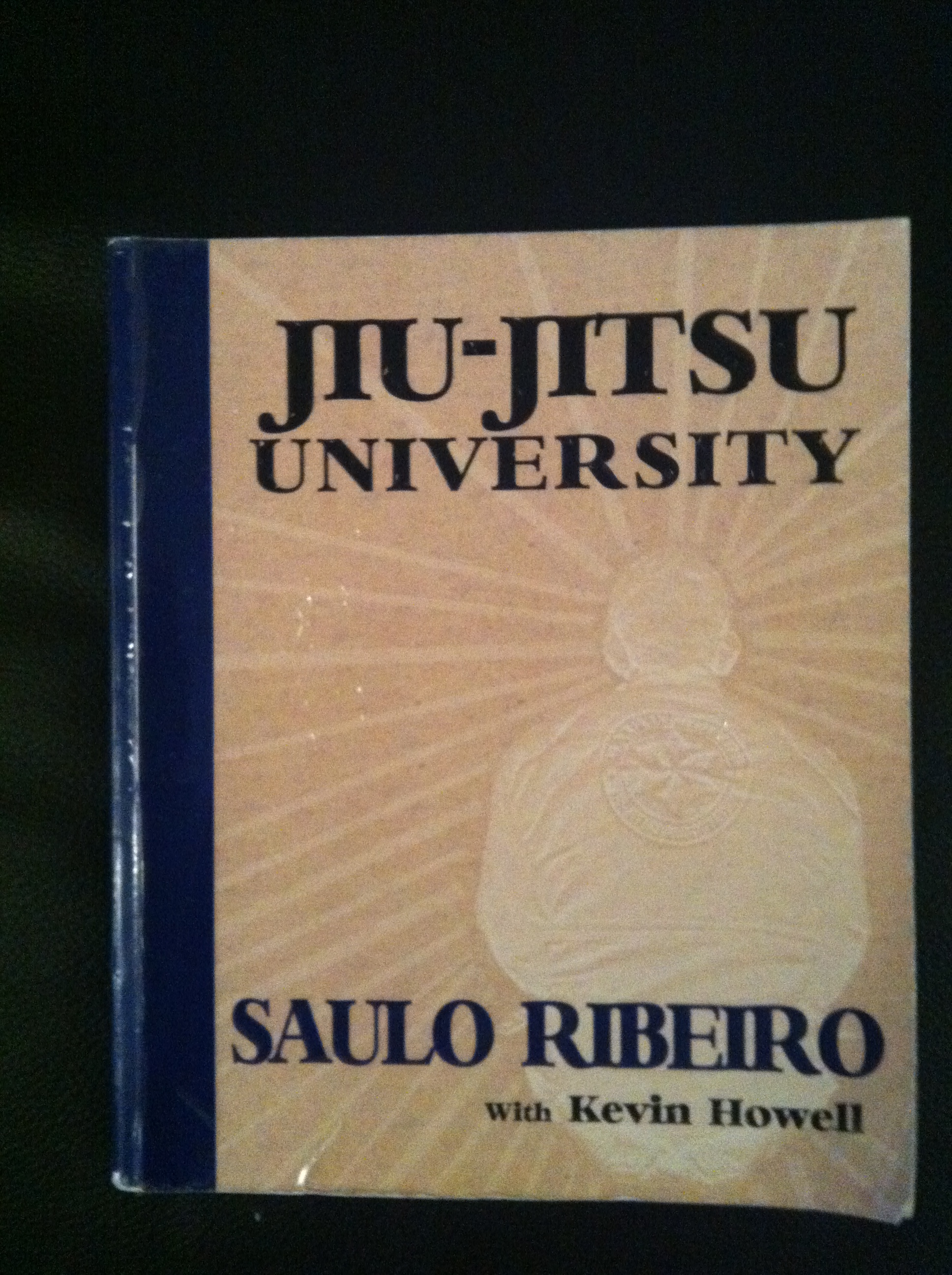
Jiu-jitsu University (Saulo Ribeiro)
Jiu-jitsu University
Rather than a random collection of techniques, Professor Saulo has divided this BJJ tome into belts with a distinctive theme:
White belt – survival
Blue belt – escapes
Purple belt – the guard
Brown belt – guard passing
Black belt – submissions
This approach is logical, systematic and easy to follow. Again, this book is perfect for structuring learning to suit your current needs. Out of the dozens of BJJ books I have read, I consider this the best.
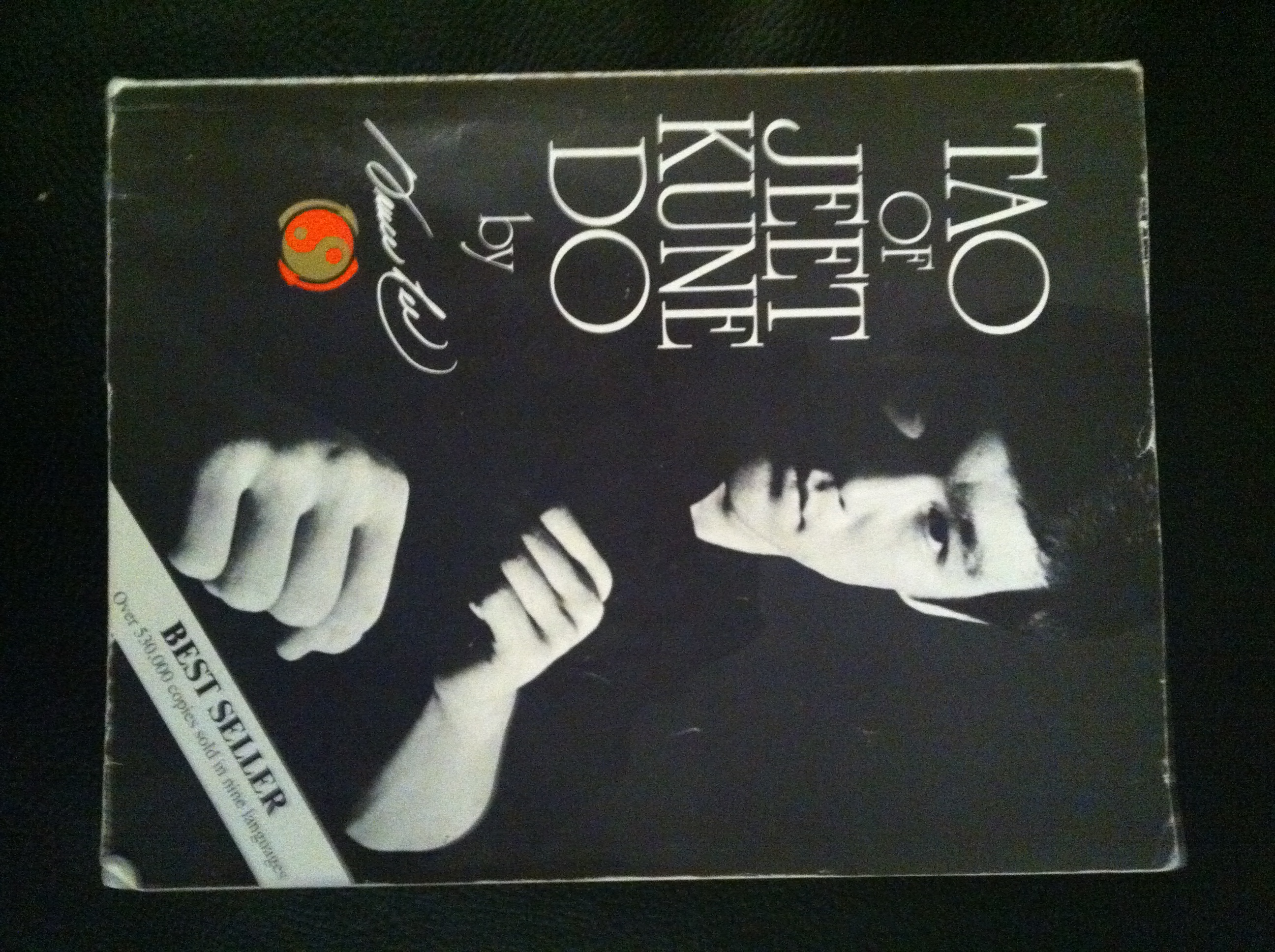
Tao of Jeet Kune Do (Bruce Lee)
Tao of Jeet Kune Do
This might be the surprise choice, considering that Jeet Kune Do is not taught at Sobukan. However, MANY of the methodologies, techniques and ideas taught in this book are common of all of the best martial arts. Also, Bruce Lee’s approach to learning and cross-training is reflected in the Sobukan syllabus. This book was truly ahead of its time.
In addition:
Hakkoryu Jujutsu texts
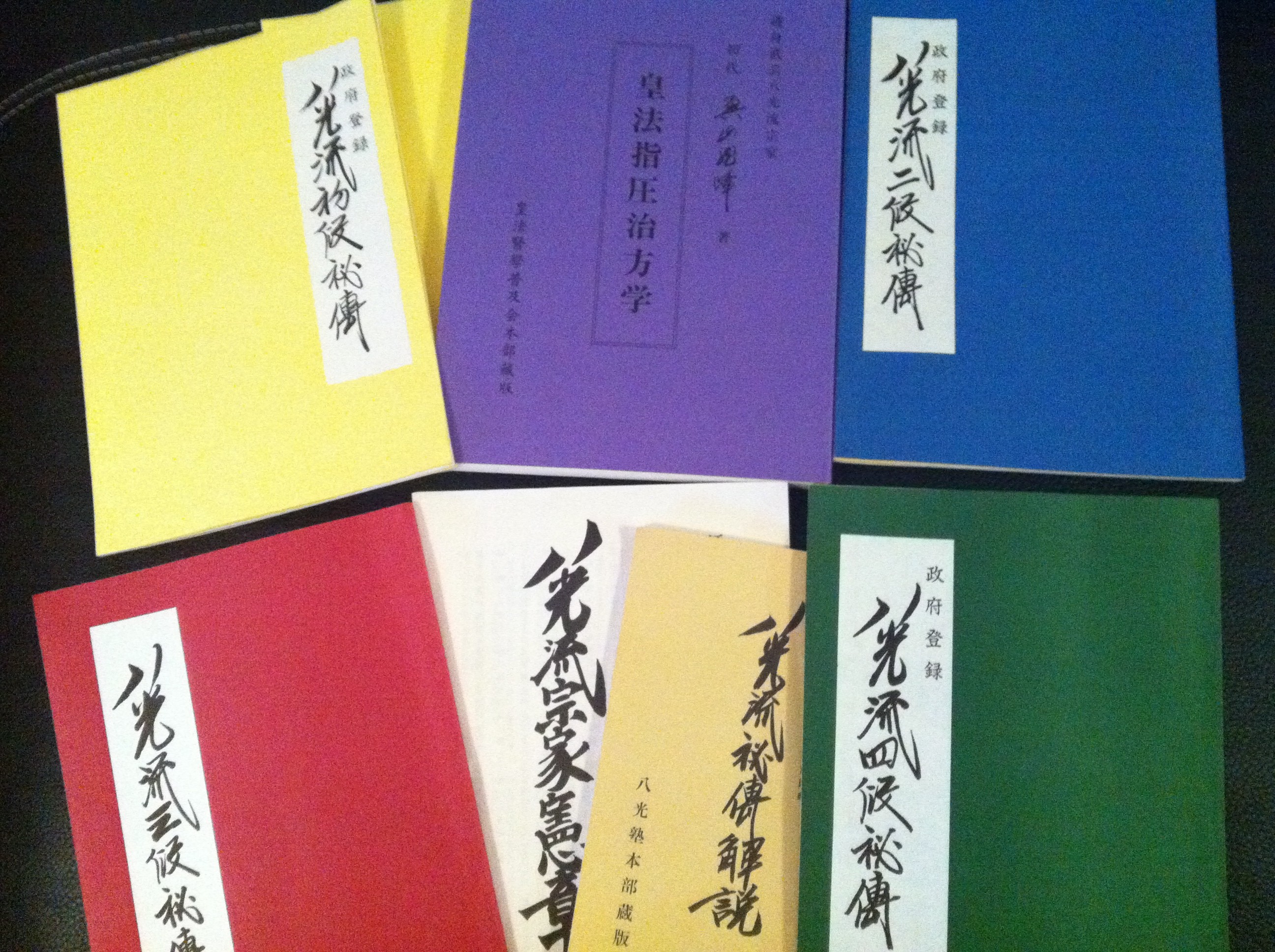
The collection of Hakkoryu Jujutsu and Koho Shiatsubooks are worth far more than their weight in gold. They are only available for purchase by Hakkoryu Jujutsu students, and are expensive, but are worth far more than their cost. While only useful to students of Hakkoryu, they are a precious resource for any Hakkoryu Jujutsu student or teacher. Some of these books are also available in English.
Art of War and Book of 5 Rings
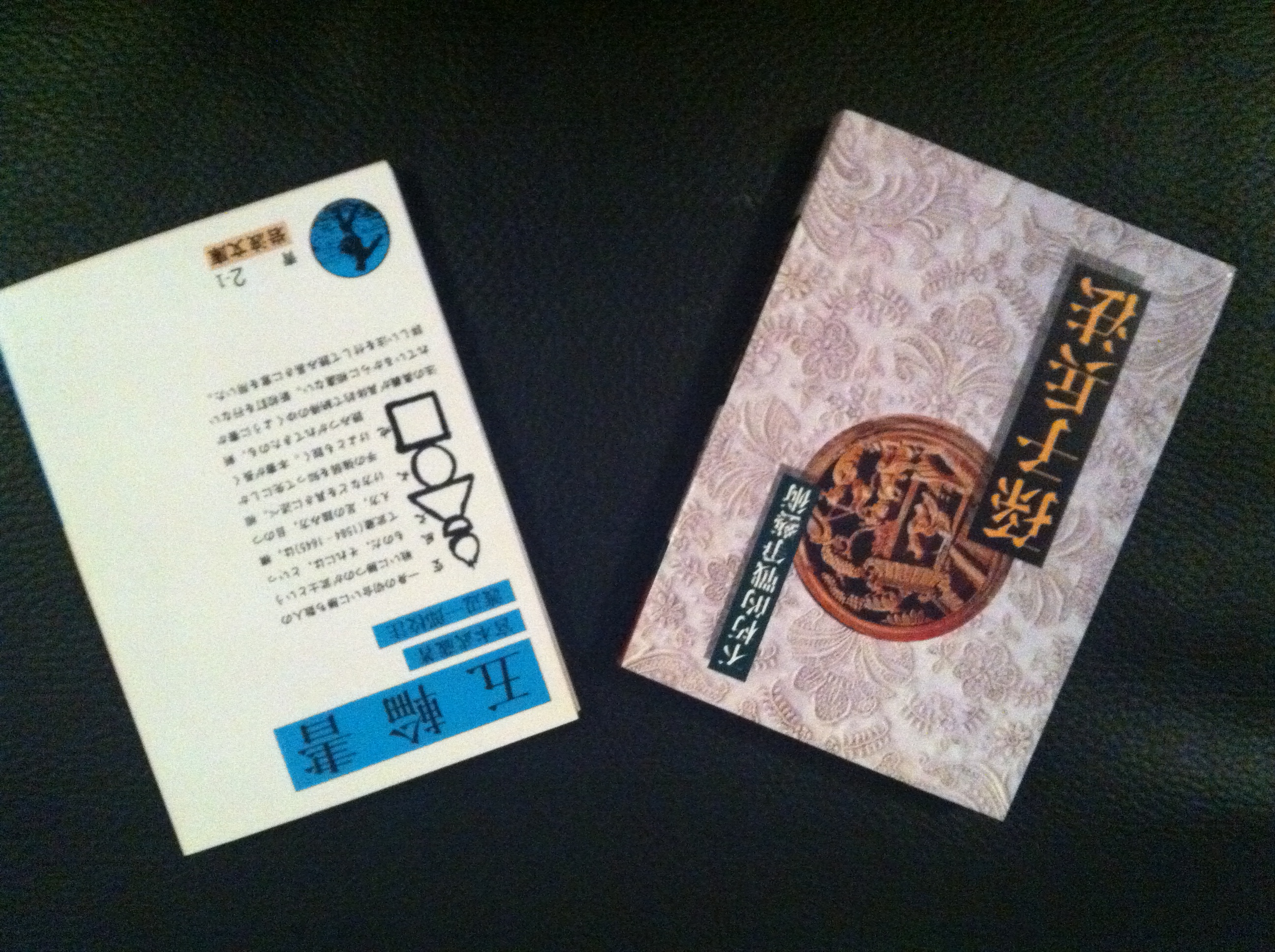
Sun Zi’s Art of War (Ping Fa), and Miyamoto Musashi’s Book of Five Rings (Go Rin no Sho) are timeless cannons of strategy that are read by business men as much as martial artists. These books certainly warrant a blog of their own, not just a shared sentence. Like the books above, these texts should be read on a regular basis. All of these books are available in English and Japanese.
Literature is important when learning a martial art, just like any other topic. Visual learners will learn lessons effectively. Students should never rely on one source of information, even if that sole source is all they feel they need. You will never exceed your teacher’s skills if learning from them only. Diversifying your source of learning allows you to develop more critical thinking and balanced opinions. Books are a constant reference that preserves historical information and traditions, without demanding that you follow out-dated practices. Read up and learn!
Who: Your family is invited to the SOBUKAN Bonenkai – EOY party.
Where: Himeji Japanese Garden on South Terrace, City.
When: 11am Sunday 11 December.
What:
Training – just a little
Eating – please bring food with a Japanese theme
Drinking – anyone have Shochu/Sake/Japanese beer or softdrinks?
Awards – encouragement awards
Pinata – can you get anymore Japanese than a pinata??
Generally having fun
Bring your gi and casual clothes, some food and drink and lets have some
fun out of the dojo!
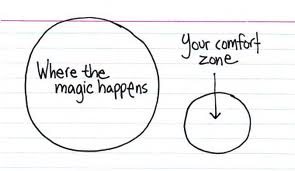
Staying within your comfort zone is easy, but progress lies just beyond.
I once made a difficult decision. I could have chosen to remain with my first karate dojo, where at 18 years old, I was a black-belt instructor. I had earned respect, a certain amount of skill and could bathe in the knowledge that I had achieved something worthwhile. However, if I had chosen to stay, I would have been fooling myself. I had not achieved real confidence in my ability to defend myself or to succeed in life. I knew I needed to learn more than crisp kicks and snappy reverse punches. I chose to step outside my comfort zone.
For some time, I tentatively experimented in other martial arts while continuing my karate training. This allowed me to simultaneously feed my ego, and my curiosity. I was reluctant to leave the dojo that had seen me grow from a primary school student to a young man. This dojo had helped me through some very difficult times. This dojo had become a part of my identity, my history. I owed a great deal to dojo and sensei. However, my reluctance to completely let go was hampering my progress as a martial artist. My approach opened my mind, but had not yet led to significant learning. I needed to make a decision. I needed to commit.
I chose my future over my past.
Real progress occurred when I found a new dojo and committed to the training – up to 20 hours per week. I relished the steep learning curve and my confidence grew. I was happy.
After a short period of time, I found myself teaching at the new dojo. Initially, this helped me further analyse my understanding of the martial arts. Over a period of many years my learning curve slowed until I reached a point where I felt that I was actually losing skill. It was time to find a new mountain to climb. I had two choices: I could stop teaching and become a student only within the dojo, or I could make a new start. I have always been blessed with amazing dojos and instructors. I felt comfortable in my new dojo, as I had in my first one. I decided to leave my comfort zone completely and move to Japan and learn from the best.
Since that time, I have been fortunate enough to have learned from some of Japan’s most respected masters. But I have always been careful to maintain a steep learning curve, no matter where I was. I work hard to maintain that curve to this day, and I have no future plans to let comfort stifle my potential.
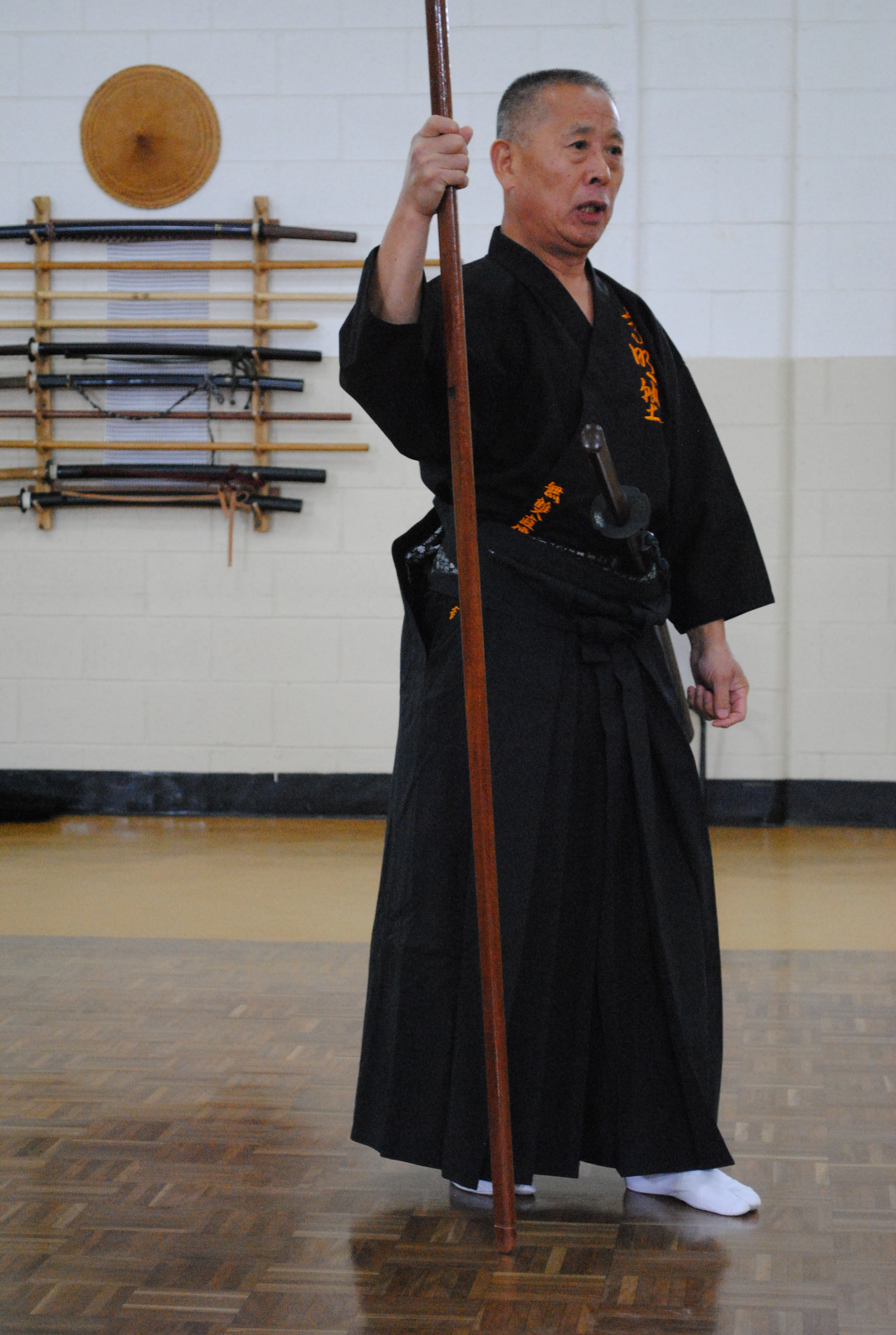
This weekend, I again ventured far from my comfort zone. I participated in a seminar with two Japanese grandmasters: Shimizu sensei, a grandmaster of Naginatajutsu; and Sekiguchi sensei, the 21st grandmaster of highly respected Muso Jikiden Eishin-ryu Iaijutsu. This was my first real contact with arts of the Japanese blade. Hakkoryu Jujutsu taught me defensive moves against sword attacks, but I had never wielded the weapons properly. The art itself requires and develops great concentration and focus. Although it is unlikely that I will use the art in a self-defence situation, Iaijutsu is a cultural treasure that is to be respected. Learning to use the sword will also improve posture, relaxation and balance, essential elements in any martial art, in particular jujutsu.
Meeting with a real master is always a memorable experience, and Sekiguchi sensei taught many lessons, some tangible, some not. He challenged two youngsters to speak and act with confidence, encouraging them with the strict love of a true sensei. He taught humility, forcing Shimizu sensei to repeat the same techniques again and again and again. In his words, in front of a ‘true martial arts master’ – he was talking about me??!! – it was necessary to demonstrate the reality of the art, not just empty movements. He taught the value of precision, gratitude, persistence, sacrifice, and perhaps most importantly, of having isshin (一心) – one heart, one mind, but that is a topic for another blog. He pushed my concentration levels well past my comfort zone.
Evaluate your training critically. Be honest with yourself. Are you falling into the ego-laden comfort trap? Find a way to maintain your learning curve. Challenge yourself regularly. Am I saying:
‘no pain, no gain?
Not exactly… but without discomfort, you are probably gaining little of value. The difficult part is to challenge yourself within your limitations, but outside your comfort zone. Good luck!!
Apart from perhaps some hard-style karate-ka, the importance of relaxation is pretty much unanimously accepted. Relaxation leads to improved speed, power, agility, flexibility and many other elements crucial to martial arts. Relaxation is pivotal to the judo maxim of 精力善用 (seiryokuzenyo), maximum efficiency. Our endurance is significantly improved when we relax. Relaxation helps protect us from injury. Yet despite all these great reasons to relax, why do we see so many black-belts move like rusty robots?
I believe that many martial artists believe that they are relaxing, when actually they are employing a great deal of unnecessary muscular strength. Ever since I was a boy, my instructors told me to relax. I thought I was relaxing, but in actuality all I was doing was not tensing my muscles. Perhaps other martial artists are making the same mistake?
Let us imagine a tension scale of zero to 10. Zero would leave us slumped on the floor like a pile of jelly unable to move. 10 is as stiff as a corpse, unable to move. Where would you place yourself on this scale when training? I would wage a bet that you would have more tension in your body than you do while reading this blog right now. Clearly we cannot fight at zero or 10, we need to find a happy medium. Where is that line? Let us assume that the average person walks around at five. I believe the best amount of tension is somewhere below five. I will explain why soon.
The graph below is not accurate, it is purely a tool aid visualisation my point.
Whilst I was often chastised for not relaxing, no-one explained that just not using tension is not enough. It was only at Hakkoryu Jujutsu So-Honbu (world headquarters) that I learned about actively relaxing (脱力–datsuryoku), rather than just not using strength. There is a difference. I was taught to straighten my posture, focus my tension in my lower stomach (tanden or hara), drop my shoulders, loosen my elbows and use the weight of my limbs or body, rather than the muscles in them. Try lifting someone someone at the 10 side of the tension scale. Easy, right? Now try lifting someone of the same bodyweight when they are relaxed to the point of zero. They feel about twice as heavy!
Many jujutsu techniques rely upon using the weight of your limbs. You cannot do this while tense. Forcing techniques will cause the shoulders to raise, lighten your stance, break your balance and change the angle of the technique. Tension in the elbows connects the movement of your arms to your body. This means that every time your arms are pushed, pulled or you throw a punch or technique with your arms, your balance/posture is affected. This creates a weakness which can be exploited by an opponent.
Throwing a punch with tension in the arms not only affects your balance, but the punch itself is affected. Imagine driving a car with the handbrake on. Tension in the opposing muscles in the arms will replicate this inefficiency. Maximum speed and power cannot be achieved in this state.
I remember reading about research that stated that the biggest difference between good athletes, and elite athletes (in any sport) was the speed at which they returned to a state of relaxation after employing their muscles. This conclusion, alone, is sufficient to convince me of the benefits of relaxation.
I often advocate students to defend like a wet blanket, attack like a wet tea-towel. Both require relaxation. Let me explain in a little more detail. Attacking like a tea towel is relatively simple. Relax and whip your techniques out explosively, pushing from the ground to initiate power and letting your weapon hand or foot deliver that power quickly and safely. You can practice this alone and with a variety of equipment, such as speed balls, punching bags, makiwara etc. You will feel the speed, power and snap of the flexible punches and kicks. With a little experience, you will gain confidence to attack in a relaxed manner.
Defending is a little more difficult. On the mental and physical side, people have a tendency to tighten up when faced with a threat. Keeping calm in the face of danger is much more difficult. Breathing exercises, visualisation training, full contact sparring and regular training will help, but there are no guarantees until you experience a threat for real. We cannot be certain how we will mentally or physically react, but we can develop the technical tools to defend efficiently.
Technically, we want to aim to slow the opponent down. We want our opponents to feel like they are stuck in quicksand, with every movement sapping their own energy. A faster or more powerful opponent’s advantage can be mitigated, making them feel like they are fighting underwater, if you use the wet blanket approach. This method requires the defender to be close to their attacker.
Example 1 – Striking:
Koryu Uchinadi tegumi drills are great to practice this concept. As an opponent strikes with a straight punch, parry with the `mirror hand`. (The mirror hand is your left hand if your opponent is punching with the right.) Rather than bash the punch aside, let the weight of your hand sit on the incoming punch. Next come underneath with the right hand to complete the soto-uke blocking motion. Let the weight of your arm rest upon the outside of upper arm (close to the elbow) of the attacking arm. Your arm should stick to the attackers punching arm, allowing you to feel any change in his balance. You have virtually nullified the ability to attack with either arm. Your weight resting on the attacker will make it very difficult for him to lift either leg without shifting his balance. You have minimised his attacking options, and have numerous counter opportunities.
Example 2 – Grappling:
It is possible to hang on an opponent from the bottom position, but the top position is a more obvious example. The sprawl is a prime example of using the wet blanket principle against a grappling attacker. Throw your legs back and drop the entirety of your weight on the attackers back. The more relaxed you are, the heavier you will feel, slowing the attacker down. If you sprawl with tension in your back, you may be pushed back onto your feet. Top position on the ground may not technically be considered a defensive position, but the wet blanket approach is essential in this arena as well.
So there you have it: less injuries, more speed, power, efficiency, flexibility and endurance and you can easily gain an advantage over a physically superior opponent. So, start now. RELAX and take your martial arts to the next level!!
Shuhari describes the three phases of learning experienced in the martial arts. It is not a common term, even in Japan, but many avid martial artists are already familiar with it. Shuhari is not exclusive to martial arts, originally being used to describe the pursuit within different Japanese cultural arts, such as the tea ceremony. Nowadays (or perhaps just in my circles), the term ‘shuhari’ appears most often in martial art conversations.
Shuhari describes three broad categories of mastery. The concept is that all students will proceed through these stages in this order, but certainly not all students reach the second or third stages. In fact, it would be fair to say that a large proportion of martial artists never progress past the first stage. Certainly in most systems, a shodan (first degree) black belt would not be expected to have surpassed the first stage, and a black belt grading may actually require the practitioner to be in this stage of learning, as it shows a commitment to the basics and loyalty to the style.
The three stages of learning each are represented by one Chinese character (kanji), as follows. Each character has at least two ways, of reading it, depending on the context.
守 Shu (Mamoru) Copy
破 Ha (Yaburu) Individualise
離 Ri (Hanareu) Enlighten
The first character 守(shu)means to protect or obey. In this context, it refers to learning the basics exactly as taught, loyalty to the system, and protecting tradition. This stage of learning could be termed rote learning, the copy-cat stage. While this sounds negative, it is a necessary foundation to any form of learning. We can’t write a novel if we haven’t learned how to spell or string words together. Martial art instructors who teach exactly as their teachers taught them have remained in this stage of learning.
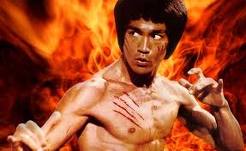
破(ha) refers to breaking traditions, researching, exploring, varying, improving on the basics. I think of this as the `Bruce Lee – Jun Fan` stage. Bruce Lee broke away from Wing Chun, but taught a variation of this art called Jun Fan Gong Fu. In this stage we adapt what we have learned to suit our own individual physiology, personality etc. This is the stage in which we objectively critique what we have learned. Poet Matsuo Basho advocates this stage of learning when he advised ‘not to follow the footsteps of past masters, but rather to seek for what they searched’.
師の跡を求めず、師の求めたるところを求めよ
離(ri) is the final stage identified in this progression, but it must be noted that the path is not a one-way street. It is common to take steps forward and backward. It is often said that once reaching `end` you will again find yourself at the beginning, only to know it for the first time. In this stage you will forget technique, and your body should move automatically according to the principles behind the techniques you have accumulated, creating new techniques as you move. Think of past masters Ueshiba Morihei, Kano Jigoro as examples of individuals who may have reached this level of transcendence. To use Bruce Lee again, he may have reached this phase when he created Jeet Kune Do.
Bruce Lee also spoke about this learning process when he said (to paraphrase), that at the beginning a punch is just a punch, a kick just a kick. After studying for some time you realise that there are many ways to kick and punch, but finally you realise that a kick is just a kick and a punch is just a punch.
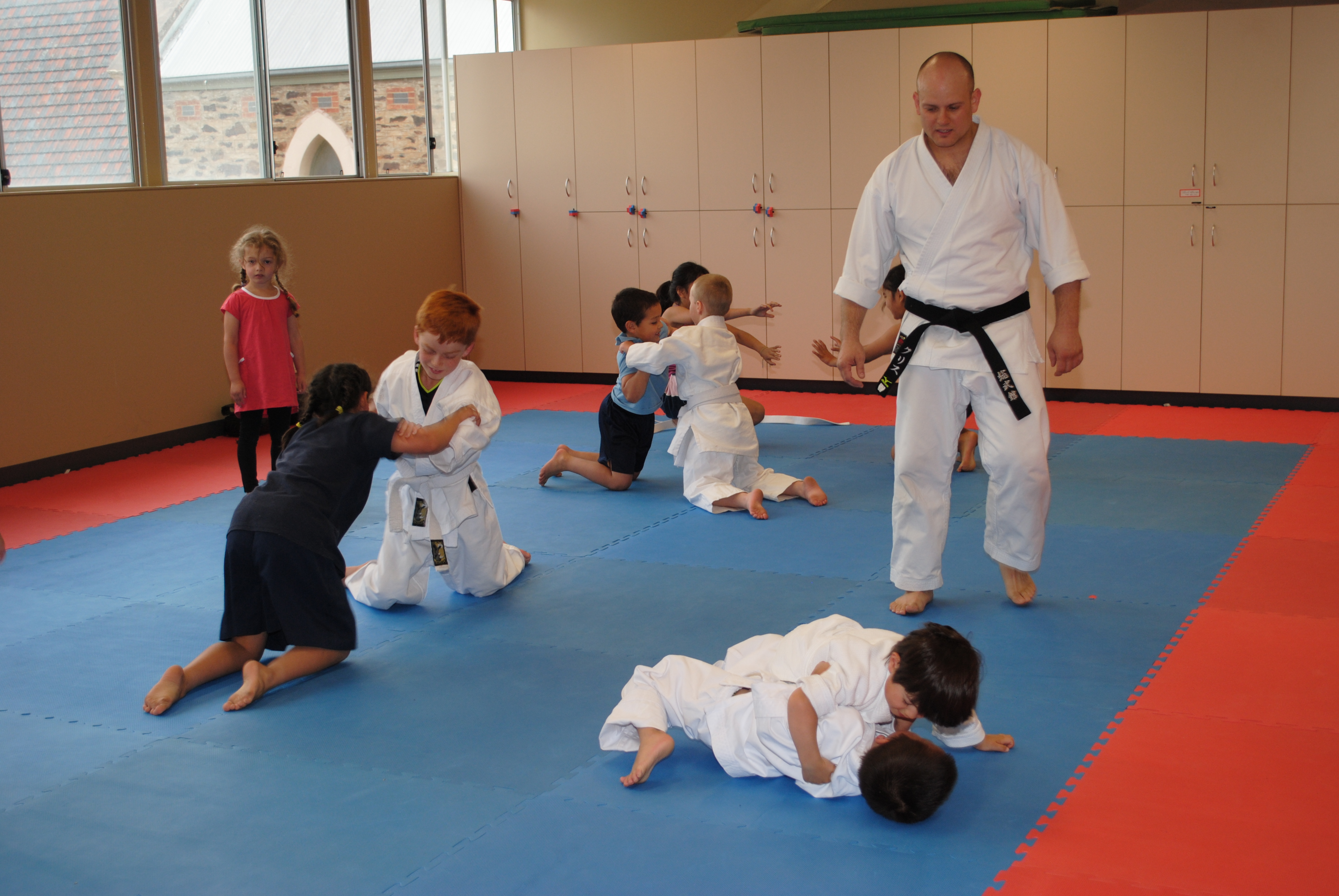
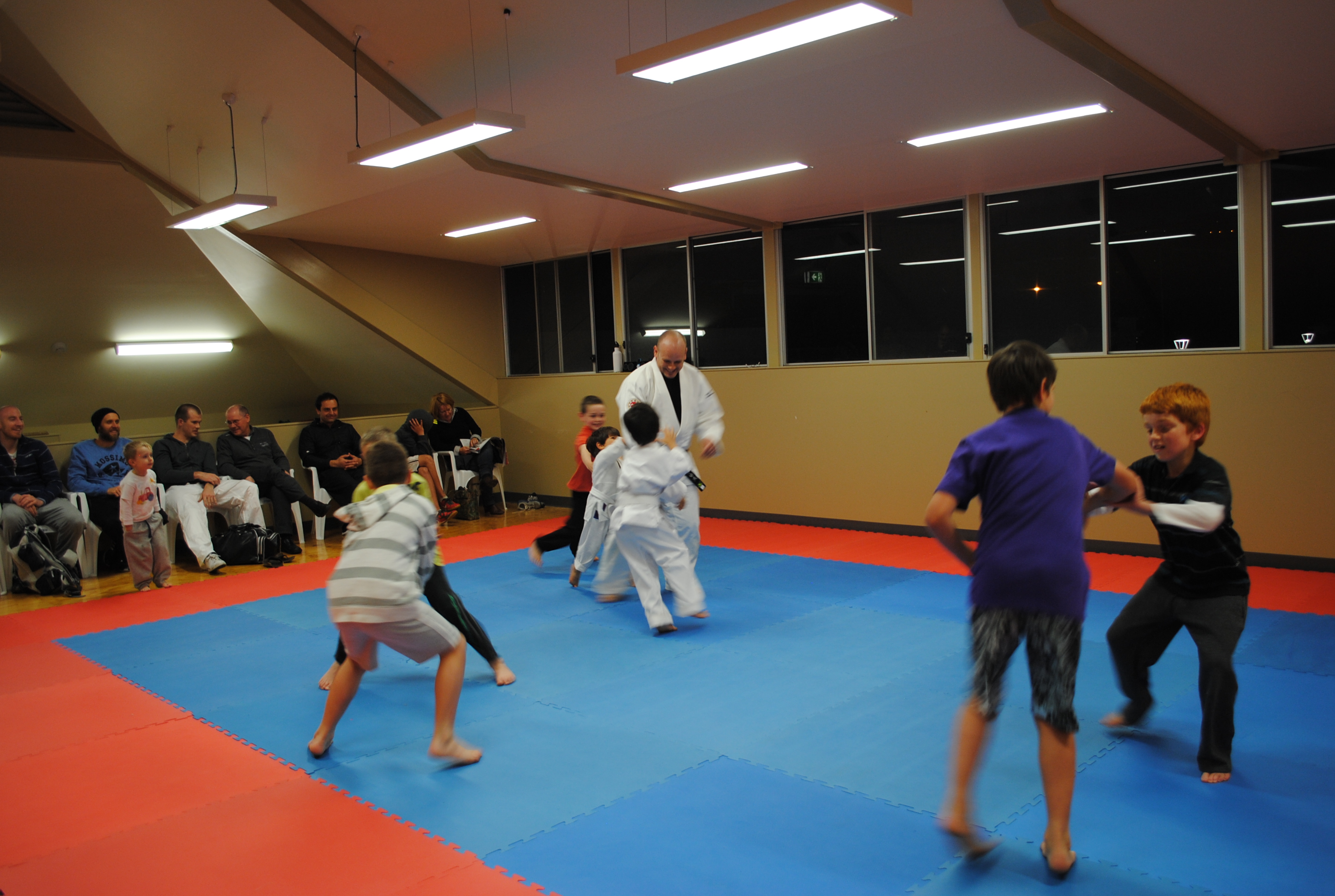
The first kid’s class and second adults class are in the books! I expected three children tonight, but was pleasantly surprised to find 7 eager young students between the ages of 3 and 10, with two more kids watching! Another group of 10 energetic souls participated in the senior class.
The kid’s class focussed on fun and interactivity, with a strong emphasis on self-defence. We mixed up the content, quickly moving between activities to keep the kids engaged without getting bogged down by aiming for perfect technique. We discussed self-defence, rules and safety. We practised pre-emptive strikes and escapes, breakfalls, kicks, hitting bags and everyone took turns wrestling with me! We all had a very fun session.
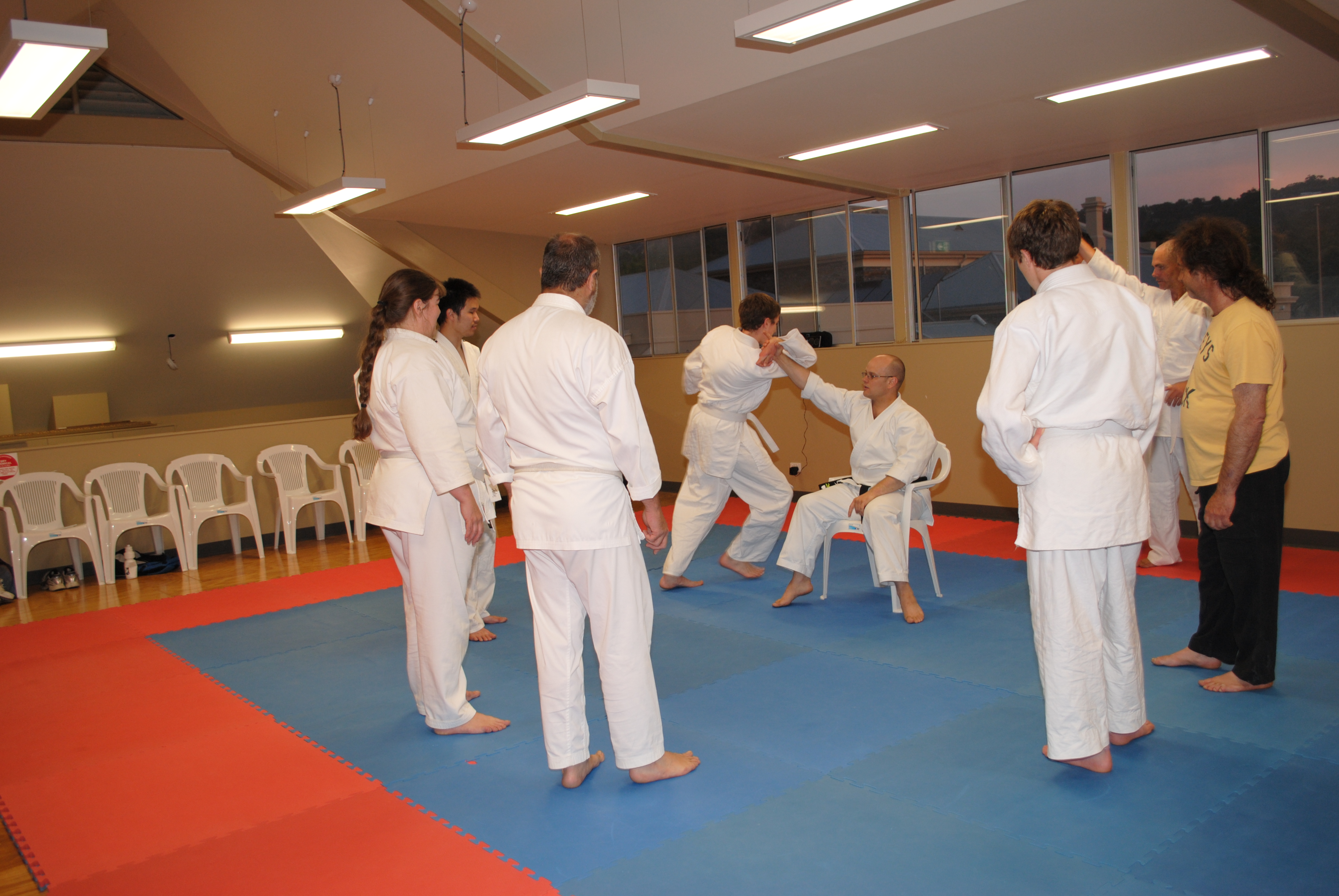
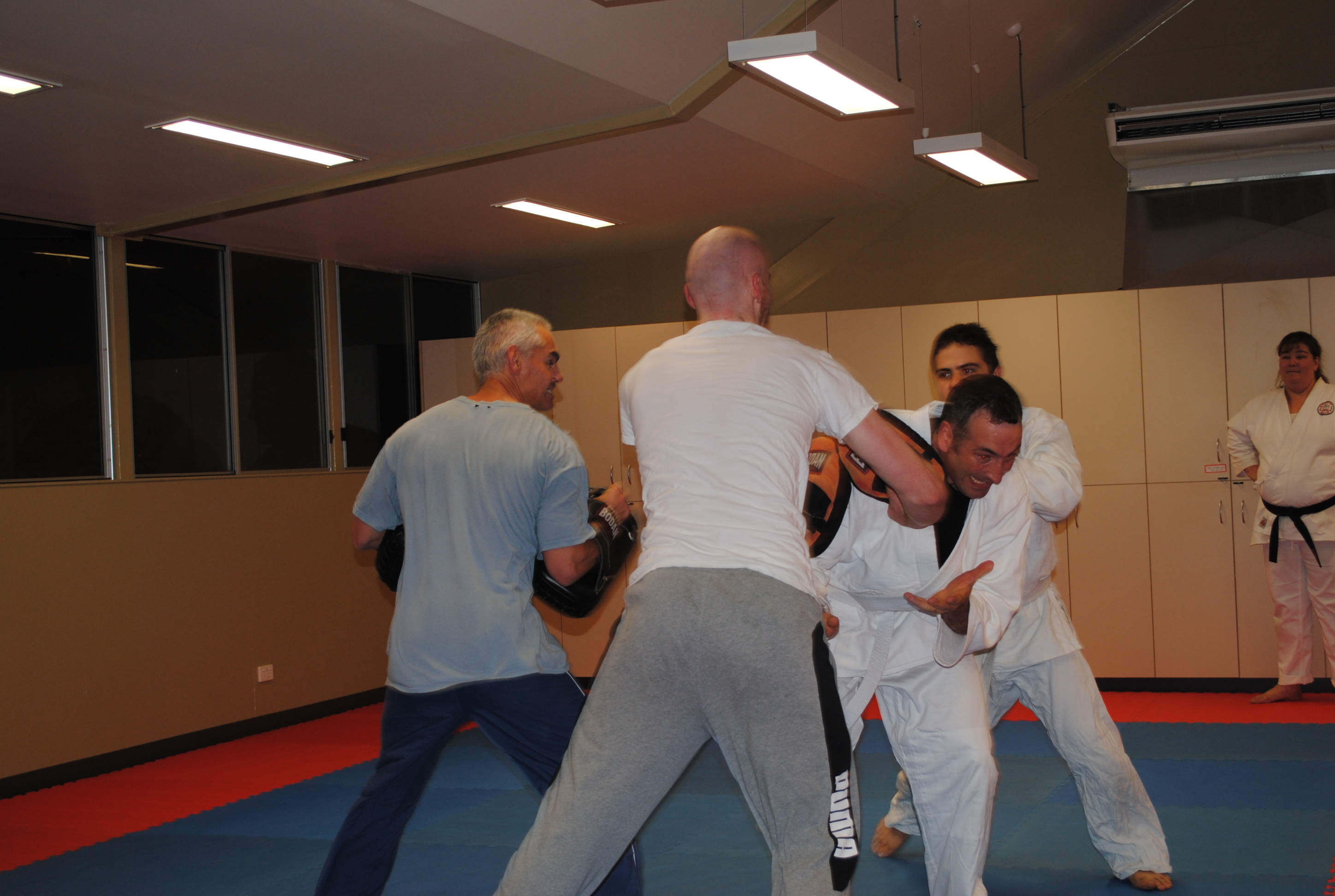
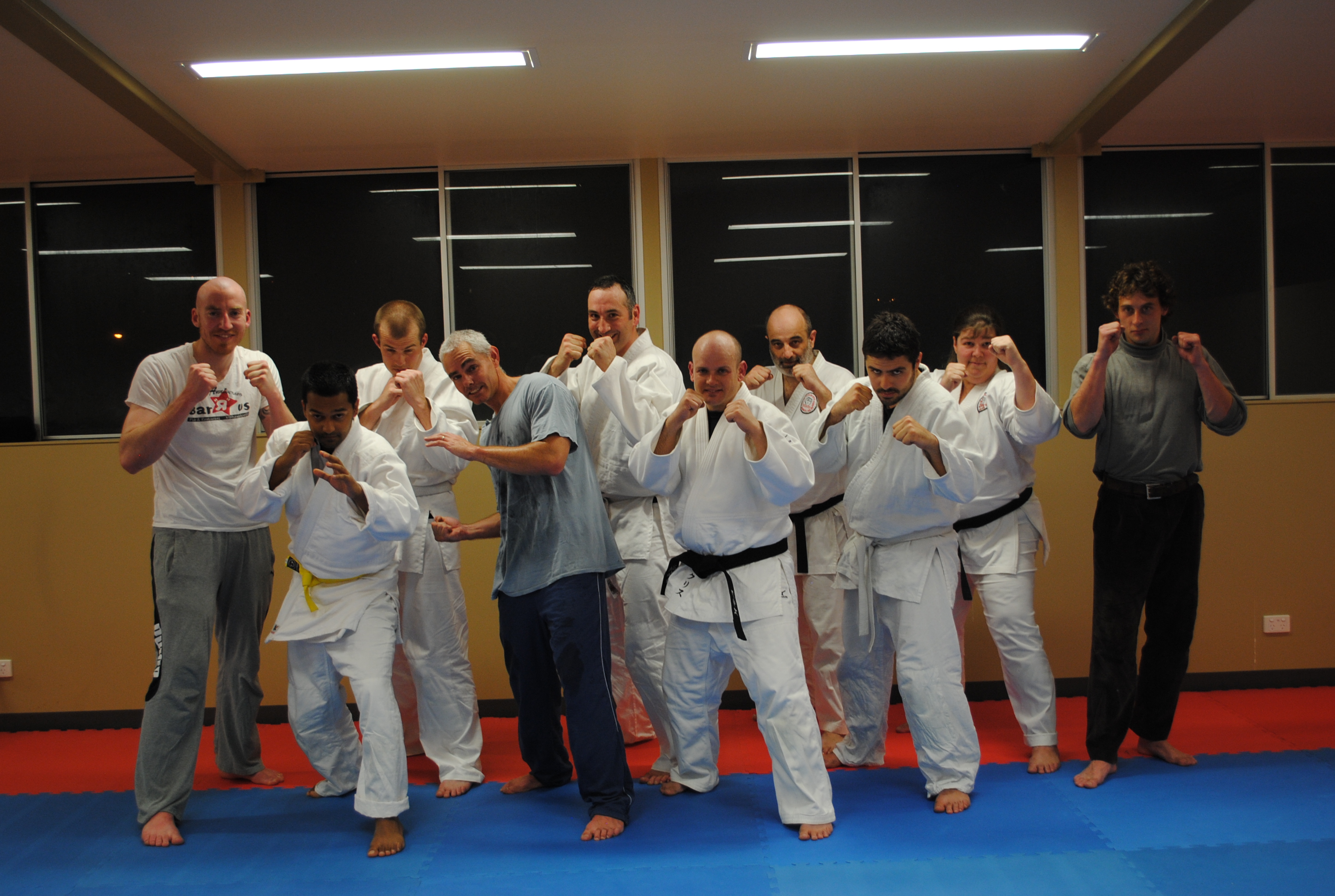
The adult class really looked the part, almost everyone had a gi, and we had two black belts (from another school) and Shane wore his yellow belt for the first time.
As per the SOBUKAN system, we practiced a range of skills including power generation, strikes, a judo throw, break-falls, escapes from the ground and from multiple attackers, and discussed some important guidelines for self-defence and martial arts, and touched on use of force matrixes. We finished with some visualisation of dangerous situations, which mentally prepares students for the adrenalin dumps experienced in crises and allows them to create contingency plans in advance, should the worst happen.
I have been elated by the energy, enthusiasm, and effort that everyone injected into the classes, both on Tuesday and tonight. I can hardly wait until next Tuesday – I think we will have to consider extra classes soon! Great work everyone!! Otsukaresama desu!!!




 During the break I plan to continue Wednesday lunch-time shooto (MMA) training in the city (Fortus Gym, Kingston St Adelaide) and regular weekend training at the beach or park.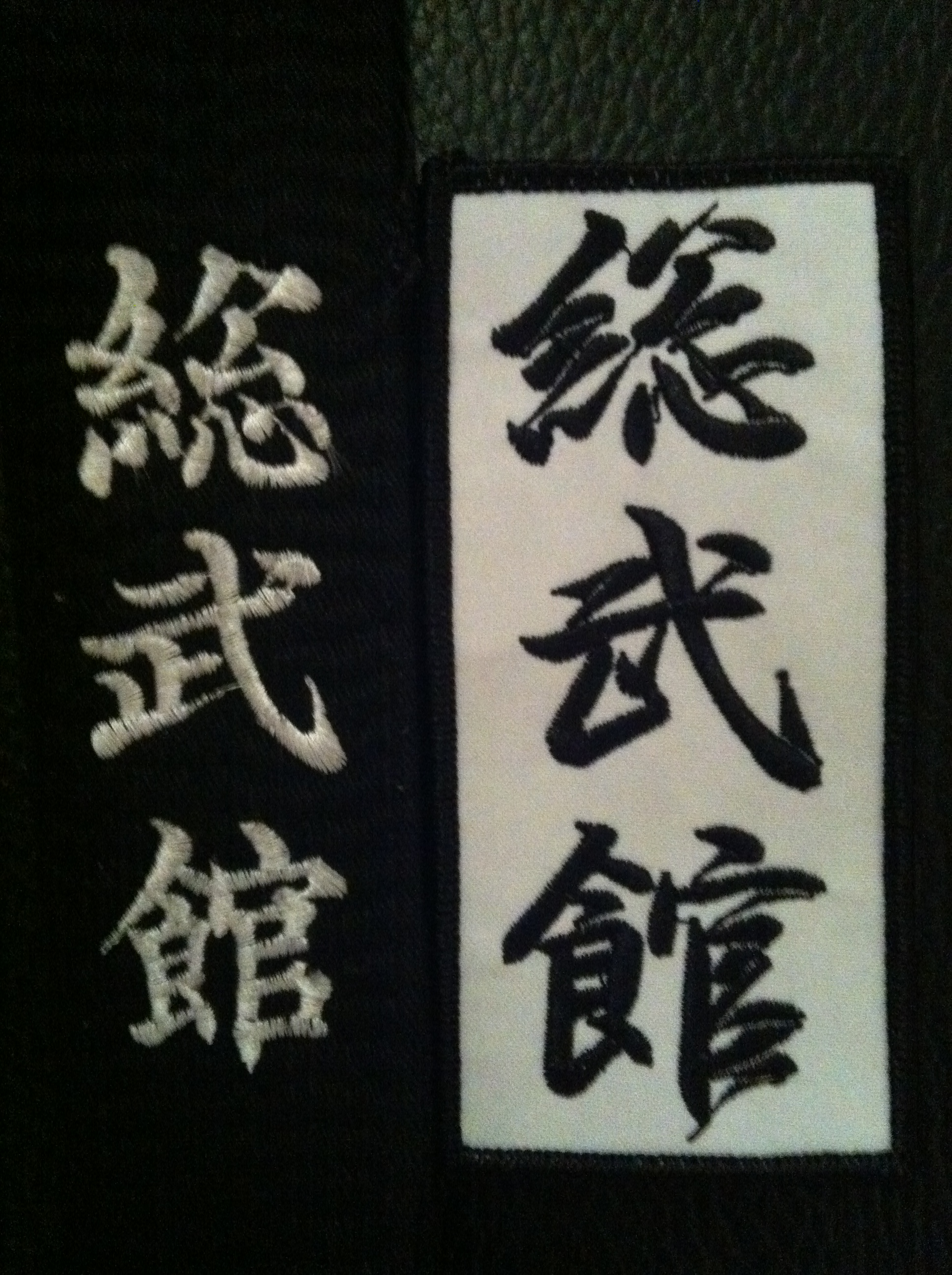






 Sobukan Dojo